By Aggrey Twesigye
Uganda’s President-Elect, General Yoweri Kaguta Museveni, has described his 71 per cent victory in the 2026 presidential elections as a clear resurgence of the National Resistance Movement (NRM) across the country, attributing the win to renewed grassroots mobilisation and national unity.
In his first national address since being declared President-Elect by the Electoral Commission, Museveni said the NRM successfully galvanised support nationwide, securing victory at both presidential and parliamentary levels.
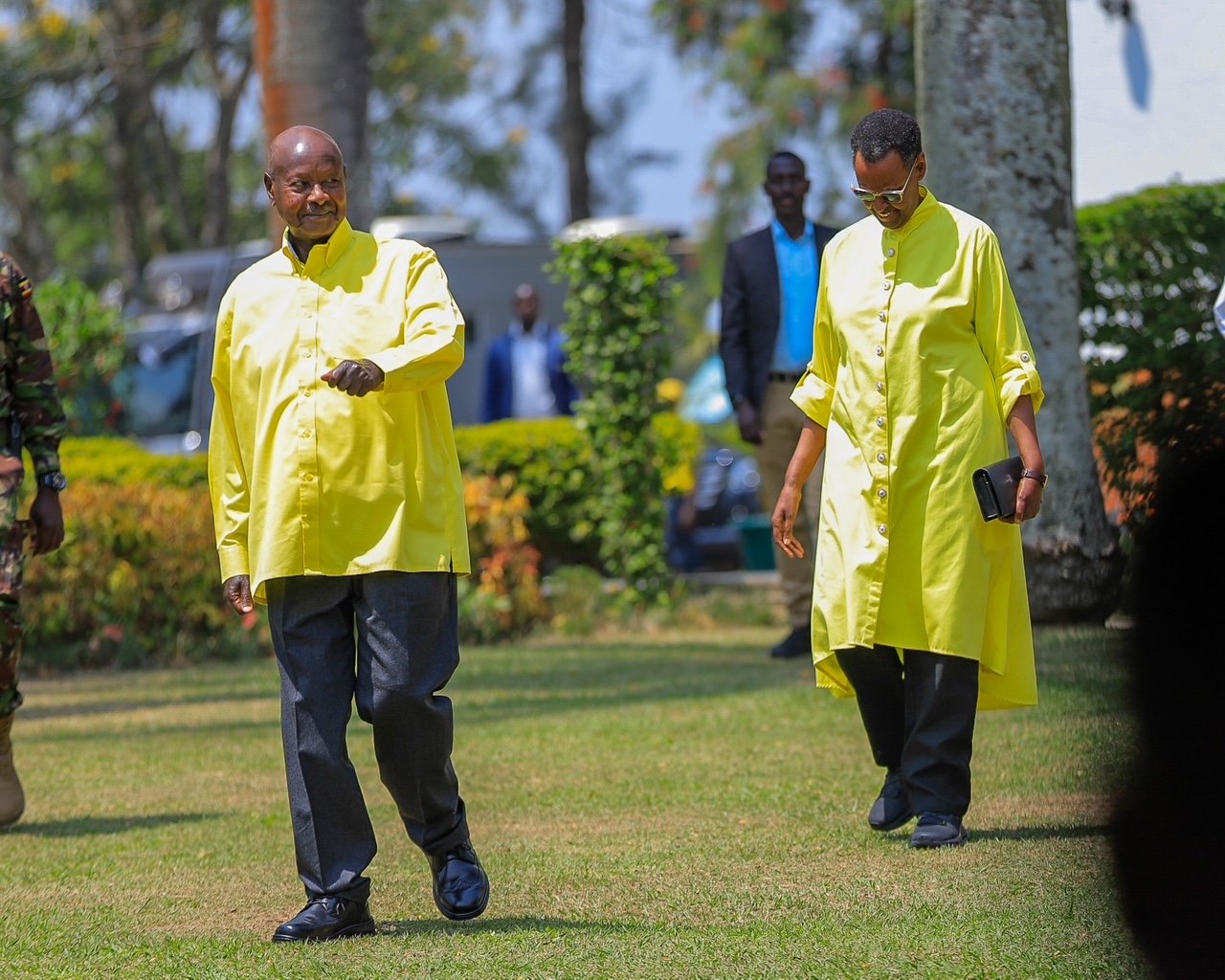
Addressing the nation from his residence in Rwakitura, Kiruhura District, Museveni commended security agencies, religious and cultural leaders, and the general public for ensuring a largely peaceful electoral period.
The President-Elect cautioned opposition groups against what he described as subversive activities, warning that Uganda’s hard-won peace would not be compromised.
Museveni also called for investigations into the low voter turnout among an estimated ten million registered NRM supporters who did not participate in the polls, despite the party’s voter register expanding from eight million nationwide.
He further appealed to the Inter-Religious Council of Uganda to engage opposition politicians, urging them to desist from actions he said were aimed at destabilising the country.
Museveni alleged that some opposition actors, particularly from the National Unity Platform (NUP), had formed gangs to intimidate communities that rejected them during the elections, citing reports of panga-wielding groups in parts of Butambala District and other areas.
He reiterated that the NRM, with the backing of the population, restored peace in Uganda and would not allow any individual or group to undermine national unity, stability, and development.
Looking ahead to his next term, Museveni outlined key priorities, including poverty alleviation targeting the 30 per cent of households still living under subsistence conditions.
He said his administration will focus on expanding macro- and micro-financial support, strengthening free universal education in government schools, improving health services—particularly curative care, and intensifying the fight against corruption.
The President-Elect also pledged reforms in the administration of justice, expanded road infrastructure development, and improved water supply for domestic and productive use.
Museveni noted that the strategy aims to achieve excellence in public service delivery by 2031, alongside the full implementation of free-trade protocols within the East African Community.