By Obed Kankiriho
Stakeholders in the Kigezi Sub-region have called for stronger accountability, inclusive public services and better protection for citizens and human rights defenders who report concerns.
They warn that declining public trust in justice institutions could undermine access to justice and discourage citizens from participating in public affairs.
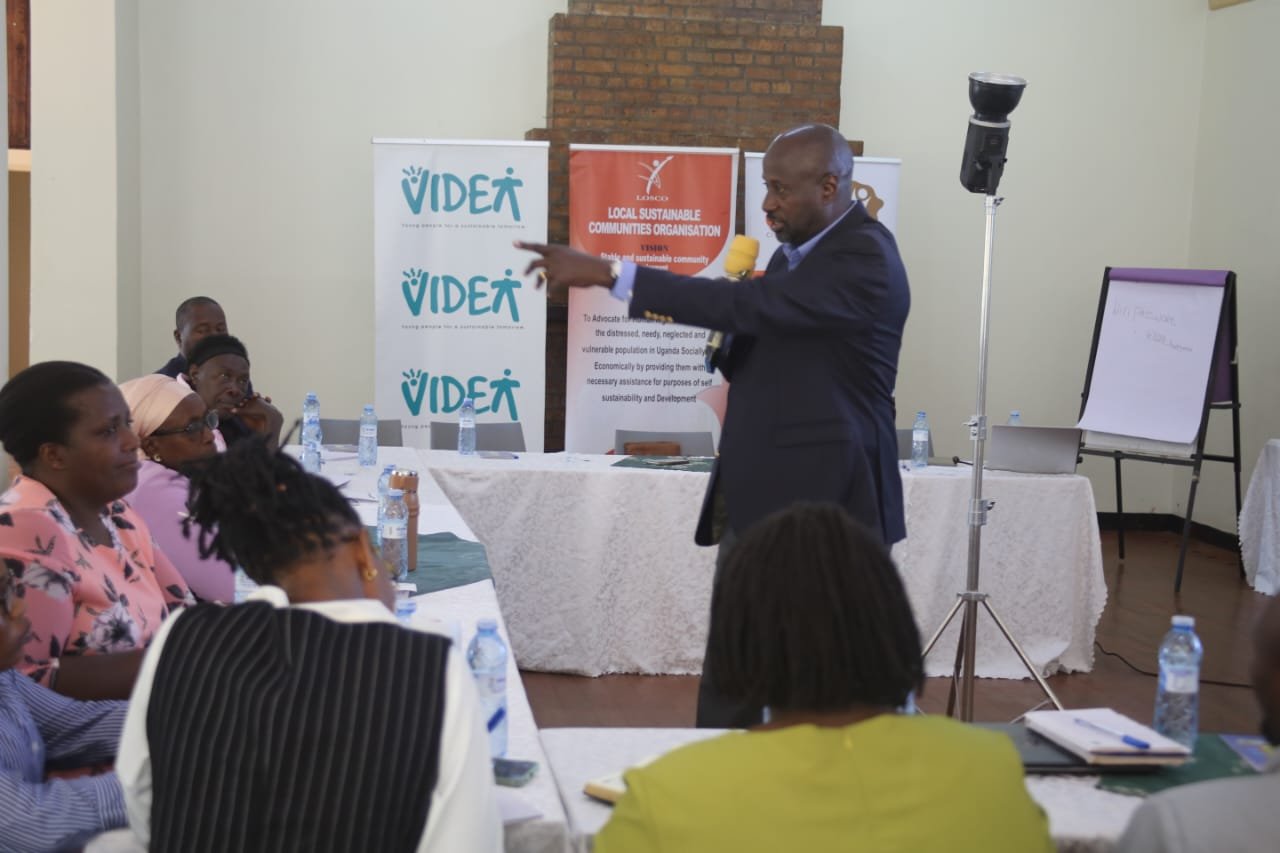
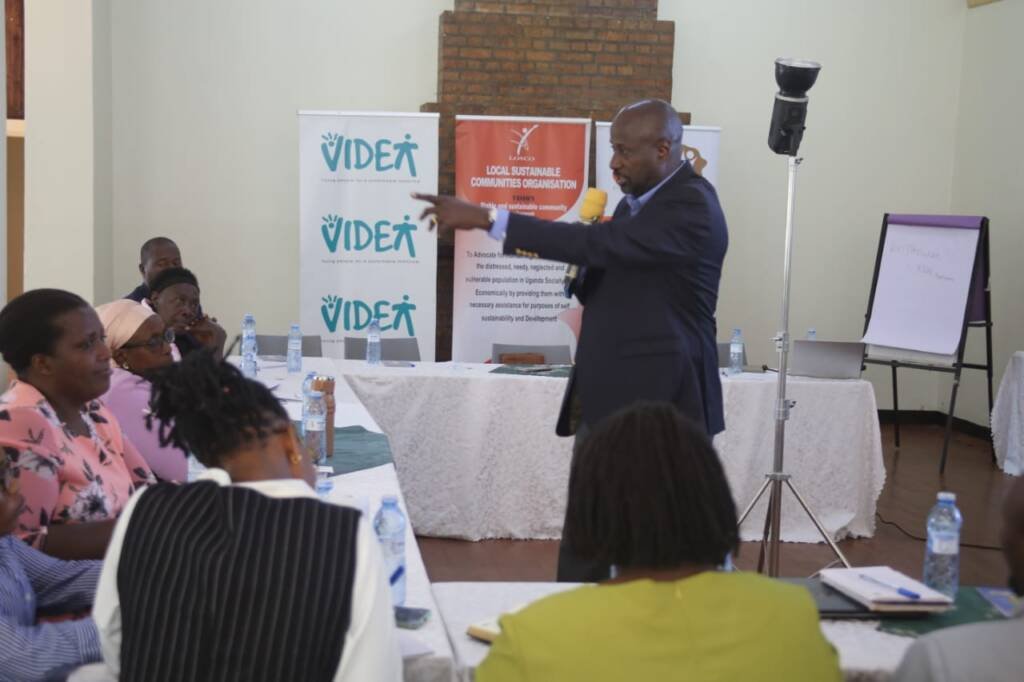
The call was made during a one-day stakeholders’ dialogue held at White Horse Inn Hotel in Kabale Municipality. The meeting brought together civil society actors, community representatives, including women, youth and persons with disabilities, as well as state actors from across Kigezi.
The engagement was organised by Citizens Council in Africa, CICOA, in partnership with the Local Sustainable Communities Organisation, LOSCO.
The discussions focused on accountability, referral pathways and the protection of citizens and human rights defenders who raise community concerns.
Andrew Mafundo, a Team Leader at CICOA, said communities and human rights defenders understand their responsibilities, but limited collaboration with duty bearers continues to affect the follow-up and resolution of cases.
He called for closer cooperation between law enforcement agencies, government officials and human rights defenders to strengthen accountability and ensure complaints are effectively handled.
Mafundo also called for continuous training of human rights defenders and greater clarity about their roles, identifying poor follow-up, inadequate documentation and fear of reporting cases among the major challenges.
He said some community members fear holding duty bearers accountable because they are uncertain about their safety after reporting concerns, partly due to past experiences.
Mafundo urged human rights defenders to properly document cases, identify the appropriate institutions and consistently follow up on complaints.
He also cautioned them against relying on unverified information circulating on social media when reporting alleged human rights violations, saying inaccurate reports can infringe on other people’s rights and expose those spreading the information to accountability.
Meanwhile, the Kigezi Region Officer in Charge of Legal and Human Rights, ASP Arnold Ndagije, urged citizens to confidently approach police for guidance, to report cases and lodge complaints.
Ndagije said police is a public institution accountable to the people and that police stations should be accessible to everyone regardless of the time of day.
He urged citizens not to be intimidated by the police uniform, saying negative perceptions about the force continue to discourage some people from seeking assistance.
Ndagije also encouraged citizens and civil society organisations to report concerns involving police, including cases where suspects may have overstayed in custody.
He said early intervention could prevent disputes from escalating into court battles and civil suits against the government.
Ndagije further urged citizens who fail to receive assistance at the District Police Commander’s level to escalate their complaints to the Regional Police Commander or other senior officers.
He cautioned political leaders against exceeding their constitutional and legal powers when directing security agencies, saying political influence should not override the law.
Joan Orishaba, the Secretary of Kabale District Union for Persons with Disabilities, NUDIPU, called for trained sign language interpreters in police stations and other public institutions to improve access to services for people with hearing impairments.
Orishaba said the absence of interpreters creates communication barriers that can prevent deaf people from reporting cases, seeking assistance and participating in public affairs.
She challenged police and other government institutions to ensure they have personnel capable of communicating with people with hearing impairments, describing the lack of sign language interpretation as a human rights concern.
Caroline Gumoshabe, the head of the Uganda Human Rights Commission office for the Kabale region, urged the public to make use of existing human rights and justice institutions instead of being discouraged by misinformation about the cost of accessing services.
Gumoshabe said some people avoid seeking assistance because of rumours that they must pay money before receiving services.
She also called for stronger partnerships between government institutions and disability organisations to ensure that deaf people can access justice.
Gumoshabe recalled an experience about 20 years ago while working as a volunteer at a police station in Mbarara, where she encountered a deaf person who needed to report a case.
She said she sought assistance from the Uganda National Association of the Deaf, UNAD, secured a sign language interpreter and eventually registered the case, which proceeded to court.
Gumoshabe said similar partnerships could be used today, including in remote areas, to ensure that people with disabilities are not denied justice because of communication barriers.
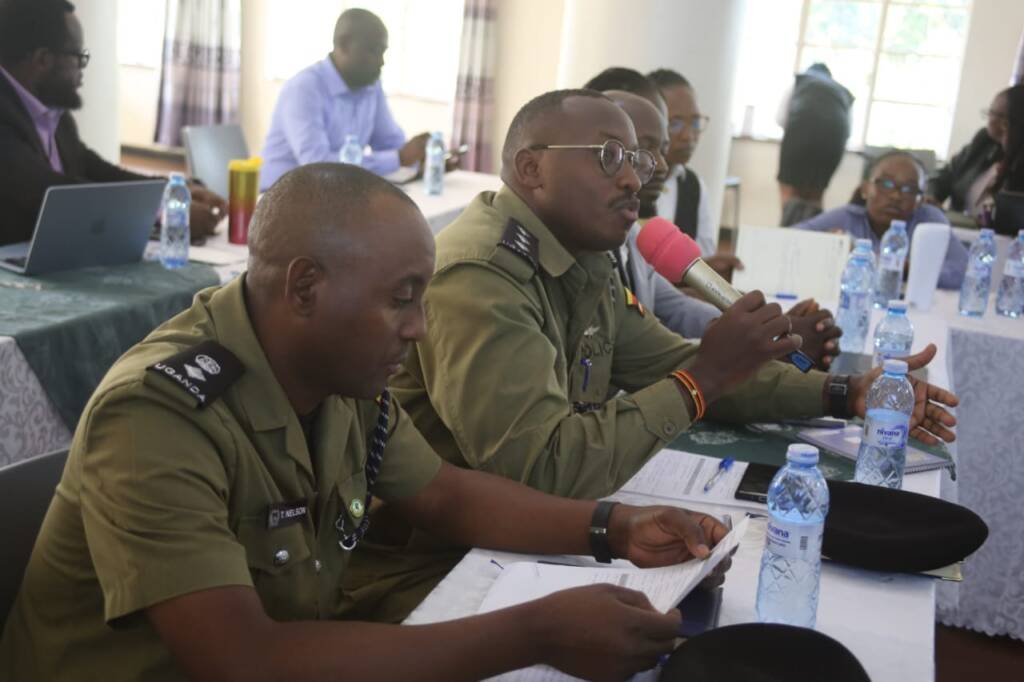
The Kigezi Region Police Spokesperson, SP Nelson Tumushime, acknowledged challenges in case follow-up and providing feedback to complainants.
Tumushime pledged to strengthen accountability within the force through improved supervision and mechanisms for handling complaints.
He also said police would address staffing gaps at sub-county police stations, noting that restoring public confidence in the force is critical because police remains the first point of contact for many people seeking justice.
Amos Tugumisirize, the Executive Director of KADOLAH, raised concern over declining public trust in Uganda’s justice system.
Tugumisirize said some citizens believe they cannot obtain justice unless they have money or connections to influential people.
He said such perceptions undermine citizens’ constitutional right to participate in government affairs and discourage them from seeking assistance from duty bearers.
Tugumisirize cited Article 38 of the Constitution, which provides for citizens’ participation in the affairs of government, saying institutions must do more to restore public confidence.
He also raised concern over weak referral pathways, saying some cases referred to relevant institutions fail to reach their intended destinations.
However, Tugumisirize commended police in Rubanda District for what he described as positive interventions in some cases, including referring victims for legal aid and court assistance.
He called for stronger protection of citizens and human rights defenders who report wrongdoing, warning that intimidation and fear of retaliation could silence communities and weaken accountability.
Tugumisirize said restoring public confidence in justice institutions requires duty bearers to uphold the Constitution, strengthen referral systems and ensure that citizens receive equal treatment regardless of their financial status or social connections.