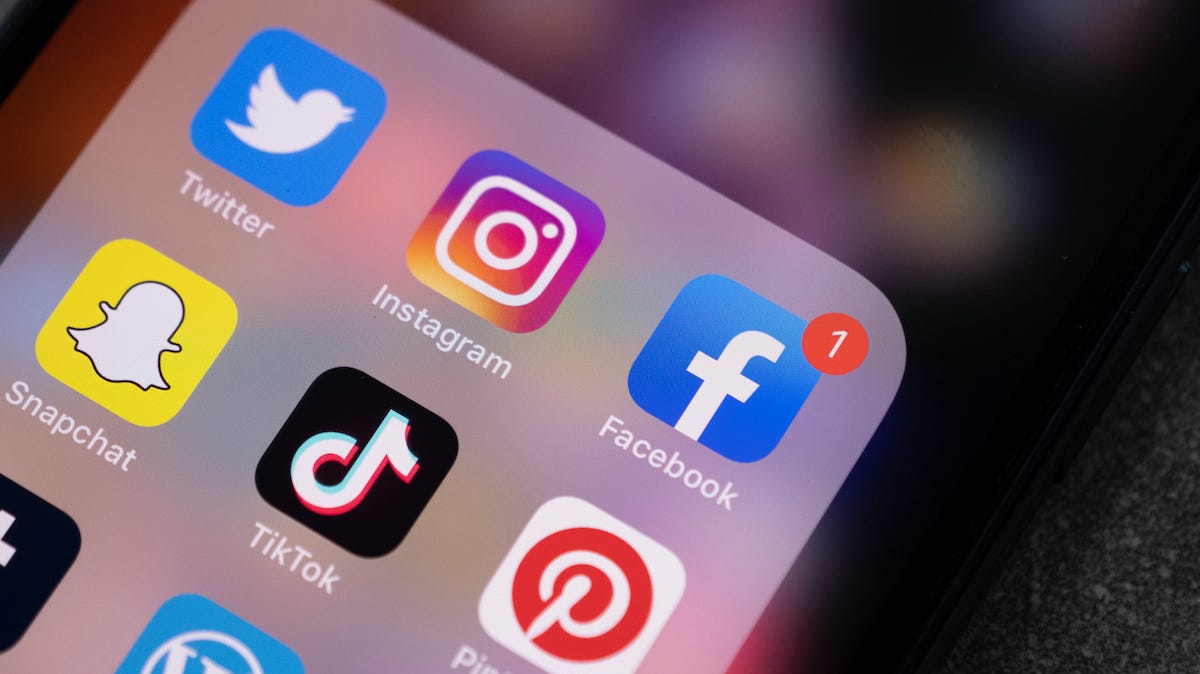
In a world of likes, followers, and endless scrolling, young people have never been more connected. But are they also becoming more anxious, lonely, and overwhelmed?
A few years ago, young people dreamed of being on television, hearing their voices on radio, or seeing their stories published in newspapers. Today, all they need is a smartphone and an internet connection.
With a single post, a young entrepreneur can market a business, a musician can reach thousands of fans, and a content creator can build an entire career. Social media has opened doors that previous generations could only imagine. It has become a platform for learning, networking, self-expression, and opportunity.
Yet despite these opportunities, there is a growing conversation around the emotional cost of living online. Never before have young people had so much access to information, inspiration, and connection. At the same time, many are reporting feelings of anxiety, loneliness, inadequacy, and burnout. The same platforms that promise visibility and opportunity are also creating pressure to constantly perform, compare, and keep up.
It is a contradiction that defines modern youth culture. For many young people, social media has become more than a communication tool. It is where friendships are maintained, businesses are built, trends are discovered, and identities are shaped. A young graduate can learn new skills through online tutorials. A small business owner can attract customers without renting an expensive shop. Artists, comedians, influencers, and entrepreneurs are building careers from their phones.
In many ways, social media has democratized opportunity. A talented young person no longer has to wait to be discovered. They can create, share, and grow an audience on their own terms. For many youths across Uganda and beyond, social media has become a pathway to income, education, and visibility.
“For many young people, social media is no longer just entertainment—it’s a classroom, marketplace, and career platform all in one.”
However, the same space that creates opportunities can also create immense pressure.
Every day, young people are exposed to carefully curated versions of other people’s lives. Luxury vacations, expensive cars, perfect relationships, dream jobs, and seemingly effortless success fill their timelines. While some content is inspiring, much of it can create unrealistic expectations.
The comparison game begins quietly. Someone sees a former classmate driving a new car and wonders why they are falling behind. Another sees influencers travelling the world and starts questioning their own progress. Before long, social media becomes less about connection and more about measuring one’s life against everyone else’s.
The challenge is that social media often highlights the best moments while hiding the struggles behind them. What appears to be overnight success may have taken years of hard work. What looks like a perfect relationship may be facing challenges no one sees. Yet when people compare their everyday reality to someone else’s highlight reel, feelings of inadequacy can quickly emerge.
This pressure is particularly intense for young people who are already navigating major life transitions. Building careers, finding purpose, managing finances, and establishing relationships can be difficult enough without the added burden of constant comparison.
Then there is the pressure to be visible. Many young people feel compelled to stay active online, respond quickly, maintain a certain image, and keep up with trends. The fear of missing out, commonly known as FOMO, can make it difficult to disconnect. Even moments that should be relaxing sometimes become opportunities to create content.
A dinner becomes a photo opportunity, a vacation becomes a content project, and a personal achievement becomes something that needs validation through likes and comments. While there is nothing inherently wrong with sharing experiences, problems arise when self-worth becomes tied to online approval.
“The danger begins when likes become validation and followers become a measure of self-worth.”
Mental health experts often point out that human beings naturally seek acceptance and belonging. Social media amplifies this need by placing numbers on popularity. Followers, views, comments, and shares can create a sense of achievement, but they can also create disappointment when expectations are not met.
This does not mean social media is the enemy. In fact, many young people have found supportive communities online. Mental health advocates, educational creators, and positive influencers have used social media to spread awareness, challenge harmful stereotypes, and provide valuable resources. Conversations that were once considered taboo are now happening openly because of digital platforms.
The issue may not be social media itself, but how it is used. Like many powerful tools, its impact depends on the relationship people have with it. Used intentionally, social media can inspire creativity, learning, entrepreneurship, and connection. Used excessively or without boundaries, it can contribute to stress, comparison, distraction, and emotional exhaustion.
Perhaps the challenge for today’s generation is learning how to enjoy the benefits without becoming consumed by the pressure. As social media continues to evolve, one thing is becoming increasingly clear: the goal should not be to abandon these platforms, but to use them in healthier and more balanced ways.
The youth of today are growing up in a digital world that previous generations never experienced. The opportunities are real. The risks are real too. The question is no longer whether social media is good or bad. The real question is whether we are using social media or whether social media is using us.