By Obed Kankiriho
Kabale District leaders have officially launched the distribution of alternative livelihood support items to households that voluntarily vacated wetlands under the Green Climate Fund (GCF) Project, an initiative aimed at restoring degraded wetland ecosystems while improving community livelihoods.
The project, titled “Building Resilient Communities, Wetland Ecosystems and Associated Catchments in Uganda,” focuses on wetland restoration and the promotion of sustainable alternative livelihoods for communities that previously depended on wetland resources.
Under the project, livelihood support items worth Shs 1.481 billion are being distributed to 905 households that voluntarily vacated wetlands in Ikona, South Kiruruma, Kyanamira–Kabanyonyi and Nyombe.
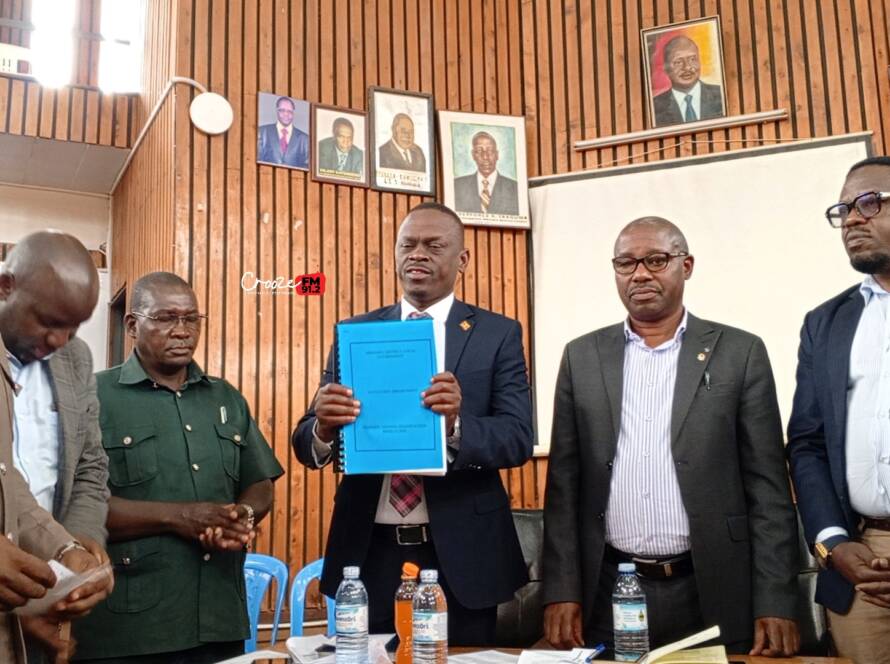
Speaking during the handover of the first phase of the items at Nyakigugwe, Masembe Kamaradi from the Ministry of Local Government, which is overseeing the distribution, said the intervention is intended to provide sustainable income sources while discouraging re-encroachment on wetlands.
Kamaradi said beneficiaries must put the items to productive use, warning against selling them or diverting them for non-income generating purposes such as paying dowry, noting that such actions would defeat the purpose of the project.
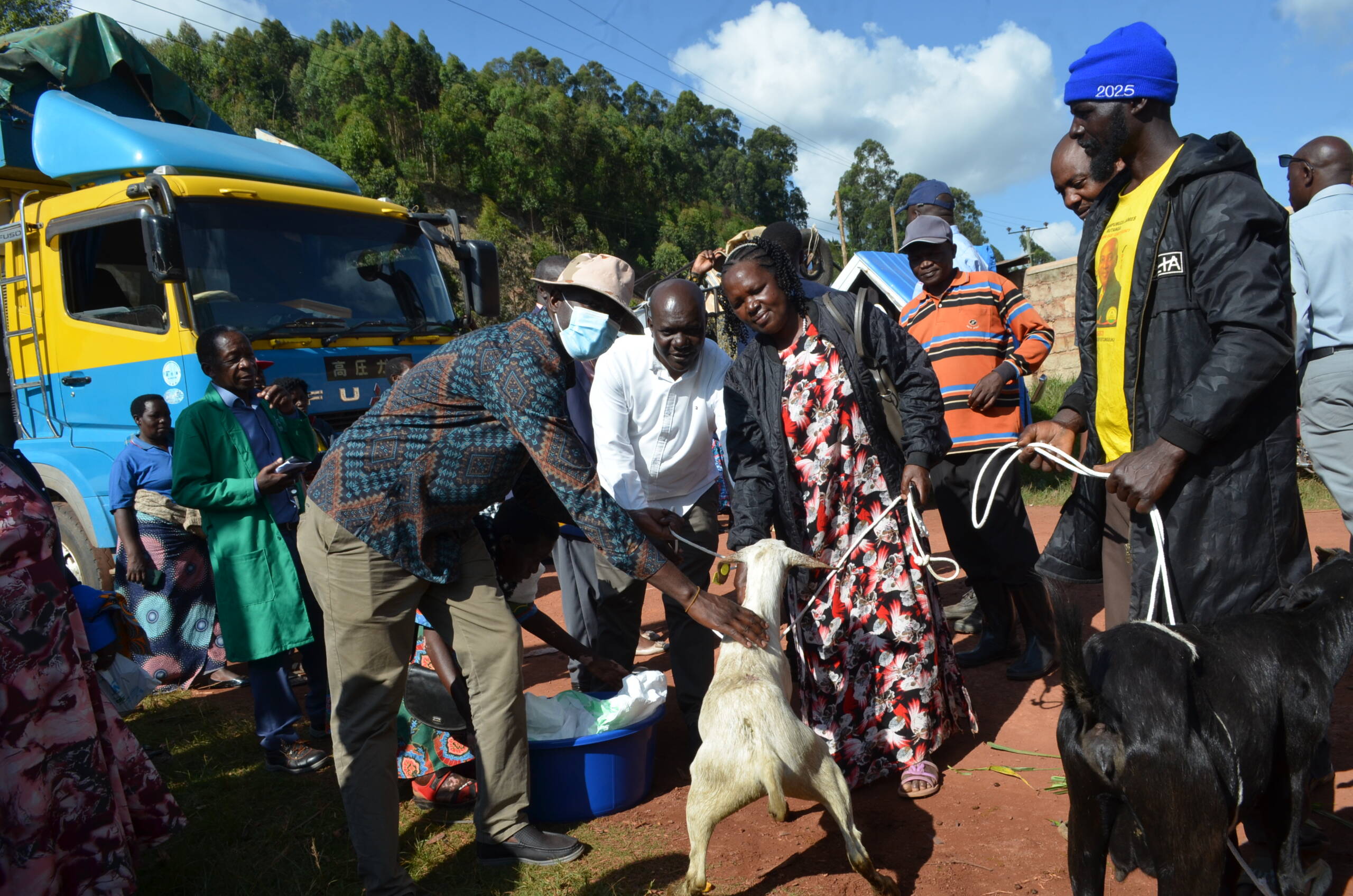
Under the first phase, beneficiaries from Maziba, Kyanamira, Kamuganguzi and Kahungye sub-counties received various livelihood inputs including 40 top-bar beehives, 460 dual-purpose chicks, 384 goats, 24 sheep, 64 piglets, 399 dairy cows, and tailoring equipment, among others.
The Kabale District Production Officer and Project Focal Person, Beda Mwebesa, said the project seeks to reclaim degraded wetlands while offering viable livelihood alternatives to communities that had been using wetland areas for agriculture and settlement.
Mwebesa noted that wetlands in Kabale District are increasingly under threat due to population pressure and land scarcity, adding that the long-term goal is to sustainably manage wetlands while reducing climate-change risks affecting agriculture-dependent communities.
Representing the Chief Administrative Officer, the Principal Assistant Secretary, Gordon Manzi, said the project promotes peaceful co-existence between communities and the environment. He explained that beneficiaries were actively involved in selecting livelihood options best suited to their needs.
Manzi added that wetland restoration and conservation will secure sustainable livelihoods for vulnerable subsistence farming communities that voluntarily vacated wetland areas.
Presiding over the handover, Kabale District LCV Chairperson, Nelson Nshangabasheija, urged beneficiaries to work closely with sub-county veterinary officers to ensure proper management of the animals. He cautioned them against selling or consuming the livestock during the festive season, stressing that the inputs are intended to fight household poverty.
He also encouraged residents to adopt soil conservation measures such as elephant grass planting and terracing to reduce erosion and surface runoff during the rainy season.
Officiating at the event, the Deputy Resident District Commissioner, Michael Muramira Kyakashaari, said the distributed livestock are hybrid breeds expected to yield quick returns if properly managed. He urged beneficiaries to utilize veterinary services to avoid losses.