By Aggrey Twesigye
Uganda’s criminal justice sector has emerged as an unexpected yet vital partner in the fight against HIV, Tuberculosis, and Malaria, following renewed support from the Global Fund.
Traditionally seen as an enforcer of law and order, the sector is now playing a key role in safeguarding public health, particularly in high-risk environments such as prisons, police detention centres, and remand facilities.
These institutions have long faced overcrowding, limited healthcare access, and poor infrastructure—conditions that have contributed to the spread of infectious diseases.
In response, the sector, in collaboration with the Ministry of Health, has rolled out a nationwide prevention and treatment program across correctional facilities.
The initiative, launched in 2018 under the Global Fund’s funding model, followed findings that barriers within the justice system were limiting access to essential health services.
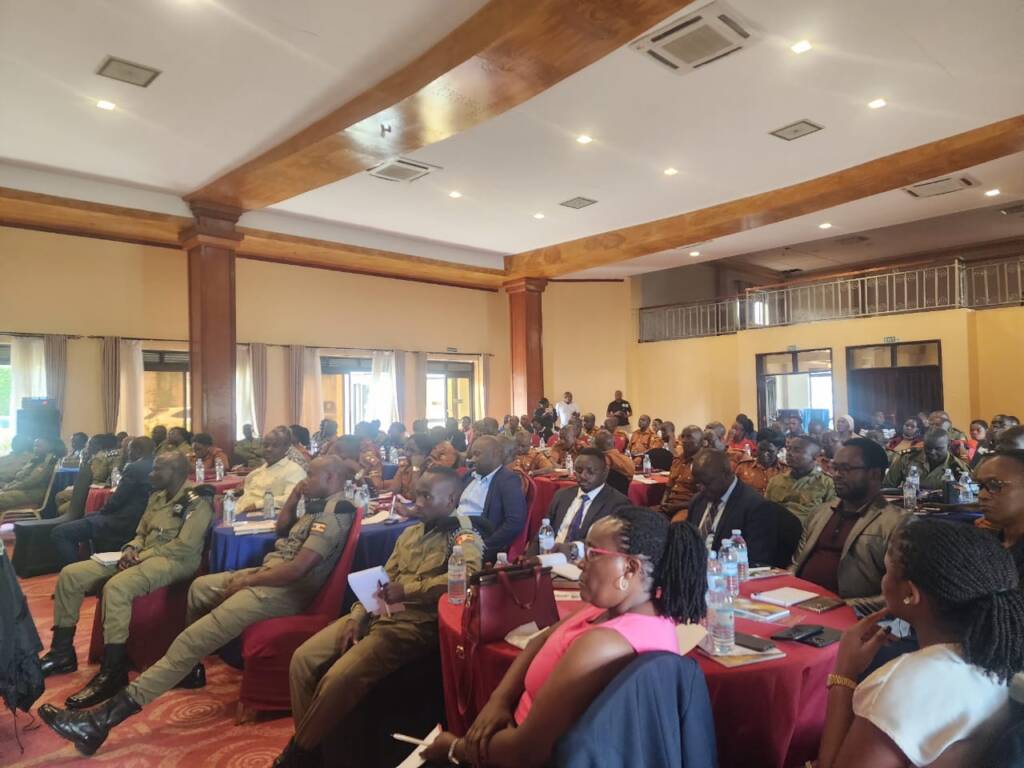
Speaking at a workshop in Mbarara City, Global Fund Coordinator in the Office of the Director of Public Prosecutions, Barbra Masinde, said the program has so far received five billion shillings to strengthen interventions.
She noted that systemic challenges—including underfunding and overcrowding—continue to hinder disease control efforts.
The program brings together stakeholders from the prosecution, police, prisons, and judiciary, and includes decentralized screening by trained non-medical personnel to improve early detection and treatment.
Shaban Mugerwa of the Uganda AIDS Commission said the initiative focuses on identifying infected individuals and linking them to care.
He revealed that HIV prevalence in detention centres stands at about 15 percent—three times higher than the national average—highlighting the urgent need for targeted interventions.
Mugerwa added that inmates remain significantly more vulnerable to infection, and the program aims to address barriers limiting their access to health services.